About us:
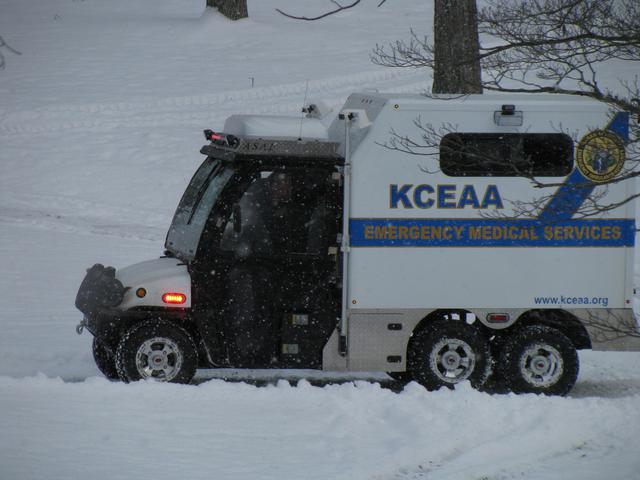
Along with many fire departments nationwide, Pinch Volunteer Fire Department engages in much more than just the obvious task of fighting fires. Pinch VFD is active in hazardous material incident mitigation as well as technical rescue, including: vehicle, rope, water, trench, confined space, etc. The one type of emergency that some people do not expect to see the fire department answering is medical. Many times a patient's family member will say, "I called for an ambulance; not the fire department." While we do not run an ambulance or transport patients, Pinch VFD has a long history of answering the call to life threatening medical emergencies. In 1989 the Rapid Responder program was initiated by Doug Douglas, and under the medical direction of Kanawha County Emergency Ambulance Authority (KCEAA). At the program's inception there were a total of four Rapid Responders, two of which are still active members of the fire department. Today we have a total of ten Rapid Responders, with two more members currently attending EMT-Basic class.
Who are these Rapid Responders?
They are active firefighters within the department who are also trained as EMT-Basics, Paramedics, Registered Nurses, and Flight Nurses. Most of these individuals work in the pre-hospital emergency medical field and volunteer their time and knowledge to render emergency aid to citizens of their community. It is important to note that all fire department members are required to attend a CPR and basic first aid class.
So what can they do?
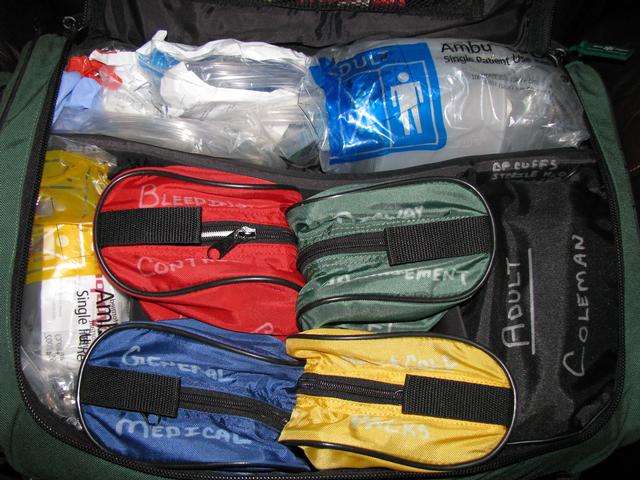
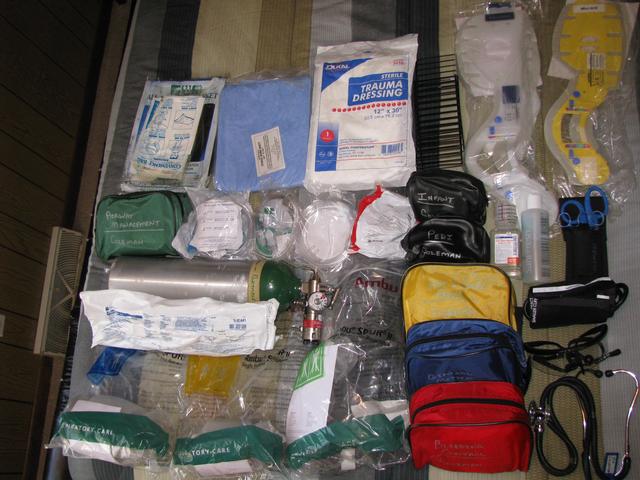
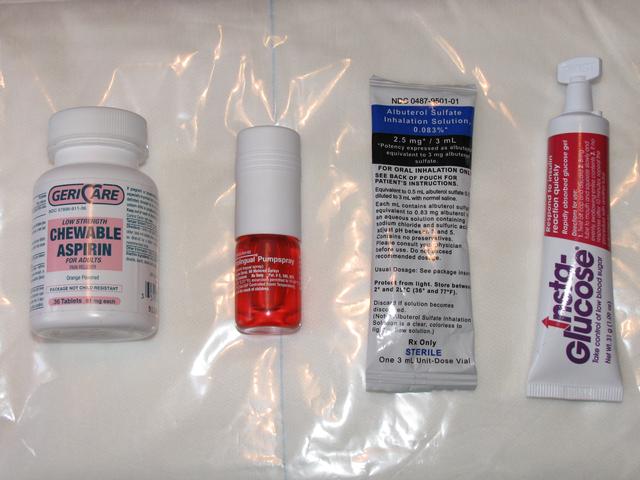
The Rapid Responders deliver Basic Life Support to patients experiencing life threatening emergencies. They can perform CPR and use and AED to shock patients out of certain heart arrhythmias. They have a number of options to open and secure a patients airway, deliver oxygen, and even breathe for a patient if necessary. They are trained to stabilize a patient's cervical spine and care for broken bones and dislocated joints. They are also trained to administer certain medications such as: Aspirin, Nitroglycerin, Oral Glucose, Albuterol Nebulizers, and Epinepherine via EpiPens.
How does it work?
When necessary, the Rapid Responders are dispatched to life threatening medical emergencies, and usually arrive before the ambulance. They can provide life saving care until the ambulance arrives and may help the ambulance with further patient care and/or loading of the patient. |

 Add a Comment
